Currency Converter
Home
Log In
Contact Us
Categories
Gift Certificates
ABR->
Accessories
Acupuncture
Alpha-Theta Stim
Biofeed Back->
BioPhoton
Bob Beck
Brain Master->
C.E.S. Devices
CDs->
Colloidal Silver Generators
Colour Therapy
Dick Sutphen->
Electromagnetic Field Measuring
EMF Protection->
Healing Tools->
HPP->
Ionizers
Laser Therapy
Learning Strategies->
Light/Sound Devices->
Lucid Dreaming Devices
Magnetic Resonance
Massagers
Mind Tools->
Music->
MWO
Orgone
Oxygen Products
Parasite and Liver Cleanse
Pinhole Glasses
Radionics
Rife Products->
Self Help
Software->
Sound Therapy->
SoundsTrue->
Surveillance Devices
Tesla
Violet Ray
Vitamin & Minerals->
WCCL
Zappers
Clearance Items
Specials ...
Featured Products ...
All Products ...
Reviews [more]
I so much want to thank Barry and Lynne from Altered States...
Featured [more]
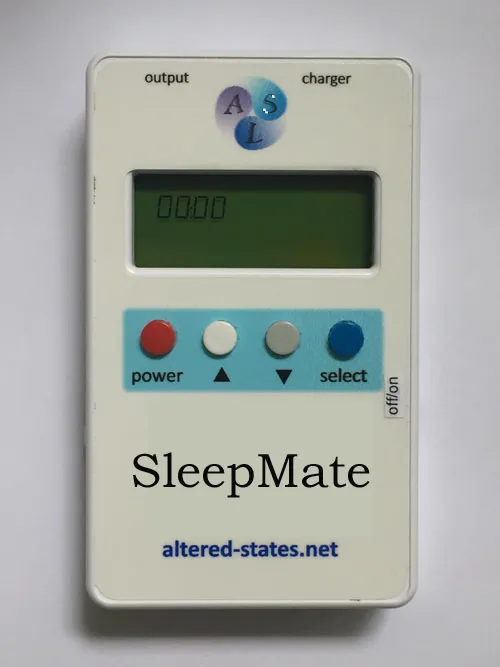
Sleep Mate 3
NZ$299.95
Home
:: Magnetic Resonance
Magnetic Resonance
Filter Results by:
Items starting with ...
Items starting with ...
A
B
C
D
E
F
G
H
I
J
K
L
M
N
O
P
Q
R
S
T
U
V
W
X
Y
Z
0
1
2
3
4
5
6
7
8
9
Displaying
1
to
8
(of
8
products)
Product Image
Model-
Item Name
Price
pm4300
Permanent Magnet Large
NZ$19.95
Approx USD$11.96
pm24300
Permanent Magnet Large x2
NZ$29.95
Approx USD$17.95
pm34300
Permanent Magnet Large x3
NZ$34.95
Approx USD$20.95
pm1950
Permanent Magnet small
NZ$9.95
Approx USD$5.96
pm21950
Permanent Magnet small x2
NZ$14.95
Approx USD$8.96
pm31950
Permanent Magnet small x3
NZ$19.95
Approx USD$11.96
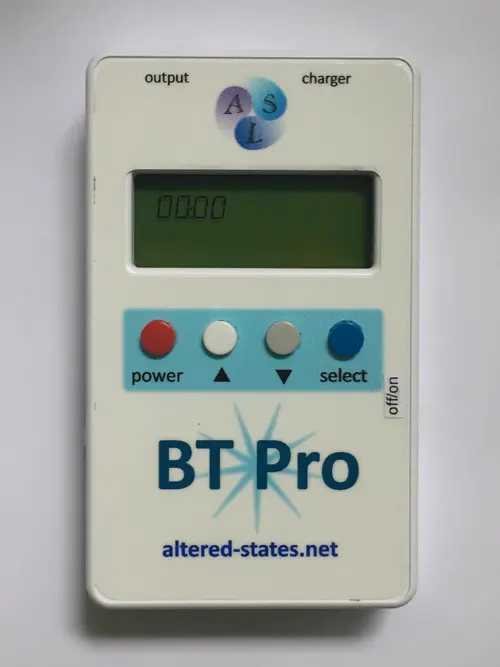
btprocom
BT Pro LCD and all Apps
Includes: BT Pro Main unit with all functions activated, 1 Lead with Earclips, 1 Patch cord, 1 Headset, 1 Headset Driver and Power pack, 1 Single...
NZ$2,484.10
Approx USD$1,489.13
btprocha
Chakra Balance App for BT Pro LCD
Includes: Activation code for Chakra Balance function on the BT Pro. Magcoil, Magcoil driver and power pack. (Note: Magcoil, Magcoil driver and power...
NZ$239.00
Approx USD$143.27
... more info
Displaying
1
to
8
(of
8
products)
Featured Products
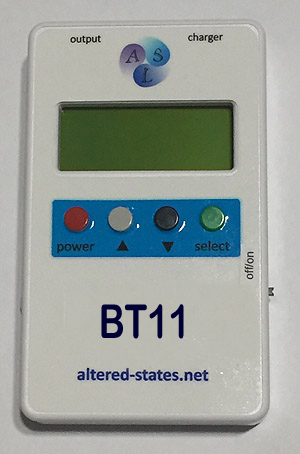
BT11
NZ$199.95
Rife Pro Sound Therapy
NZ$1,199.95
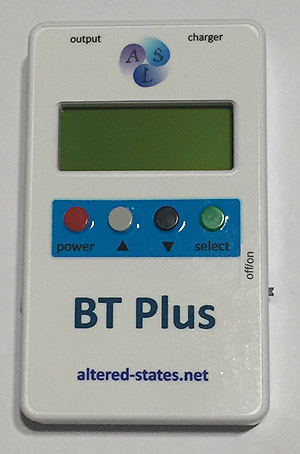
BTPlus
NZ$249.95
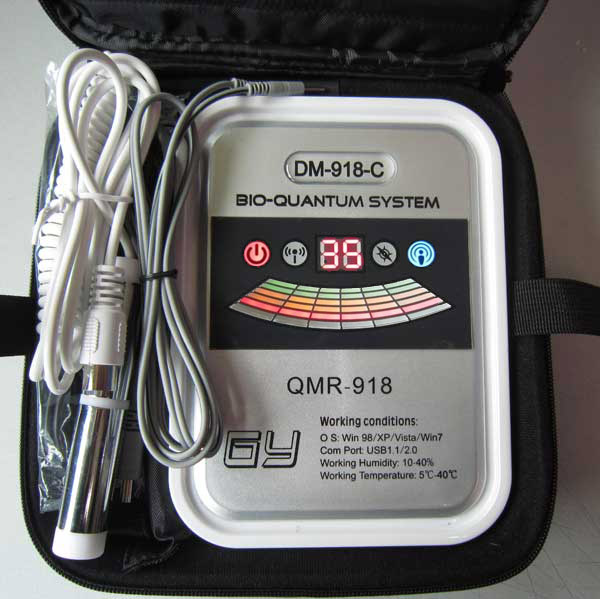
Quantum Bio Electric System
NZ$497.73
Sleep Mate 3
NZ$299.95
Harmonic Translation System Omega
NZ$11,343.45
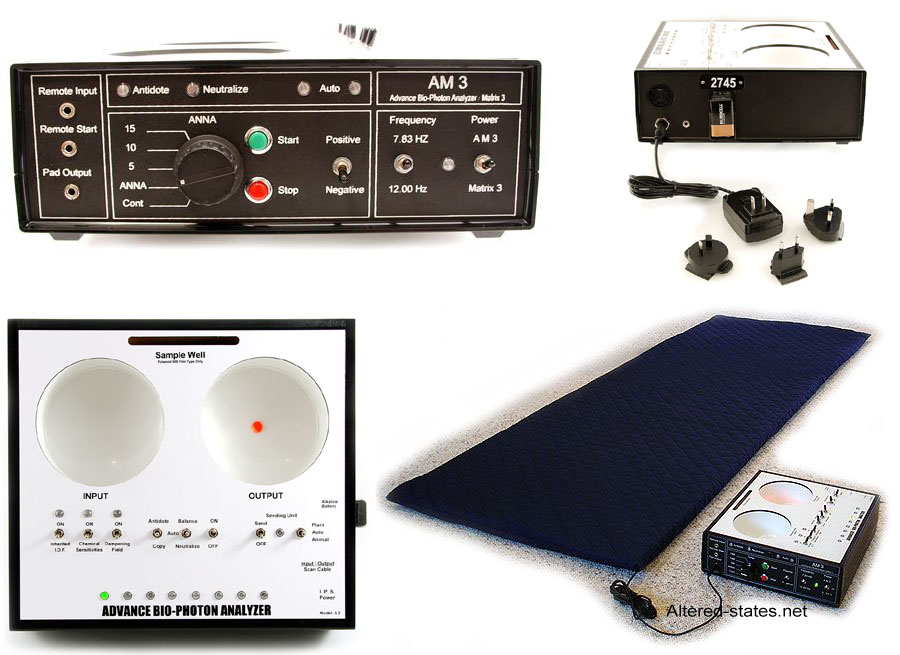
ADVANCED Bio-Photon Analyzer Matrix 3
NZ$6,338.99
Monthly Specials For April
Fingertip Oximeter x2
NZ$166.64
NZ$100.00
Save: 40% off
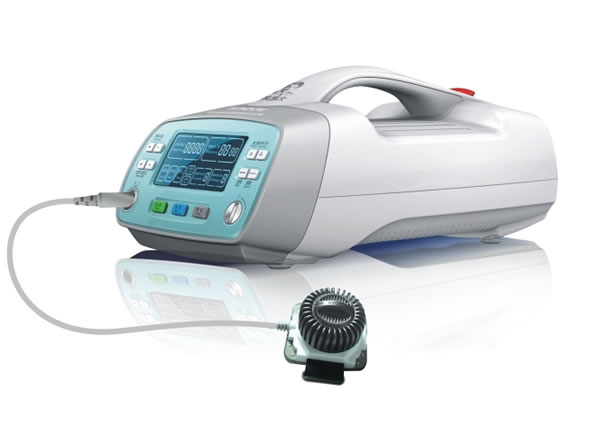
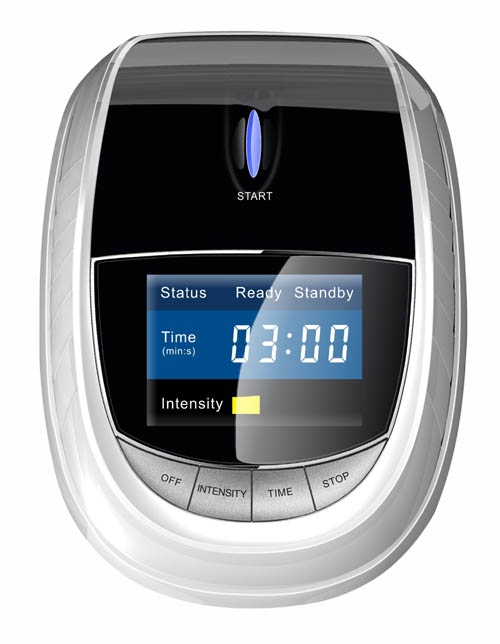
Complete Laser Care System
NZ$1,993.44
NZ$1,334.61
Save: 33% off
Knee Care laser
NZ$583.85
NZ$411.40
Save: 30% off
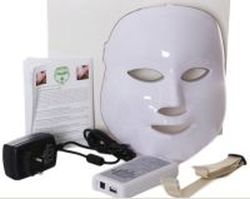
Colour Therapy Mask
NZ$333.55
NZ$133.42
Save: 60% off
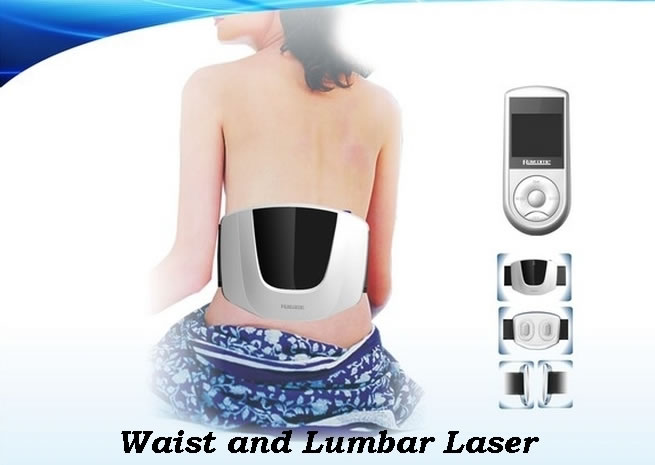
Waist and Lumbar laser
NZ$667.26
NZ$500.44
Save: 25% off
Finger Tip Oximeter
NZ$83.32
NZ$49.95
Save: 40% off
Important Links
Newsletters
Bestsellers
BT Pro LCD and all Apps
Chakra Balance App for BT Pro LCD
Permanent Magnet Large x3
Permanent Magnet Large x2
Permanent Magnet Large
Permanent Magnet small x3
Permanent Magnet small x2
Permanent Magnet small
Specials [more]
Complete Laser Care System
NZ$1,993.44
NZ$1,334.61
Save: 33% off
Information
Shipping & Returns
Privacy Notice
Conditions of Use
Contact Us
Site Map
Gift Certificate FAQ
Discount Coupons
Newsletter Unsubscribe
Who's Online
There currently are 11 guests online.
Home
::
Newsletters
Your IP Address is: 18.189.2.122
Copyright © 2024
Altered States
. Powered by
Zen Cart