
THE STRESS TEST

\\


MANY ILLNESSES


Many illnesses can be caused or affected by stress: Ulcers, colitis, heart problems--even colds. It has been said that eight or nine out of every ten hospital beds are filled with people who have some kind of stress related problem. Even if you don't get sick from stress, it feels uncomfortable, decreases your energy, disturbs your sleep, increases irritability, and may cause problems at home, at work, and everywhere else (increasing the stress--a vicious cycle).


* Seventy to eighty percent of all visits to the doctor are for stress-related and stress-induced illnesses.


* People who live in a high state of anxiety are 4.5 times more likely to die of a heart attack or stroke.


* Stress contributes to fifty percent of all illnesses in the United States.


* Stress-related injuries on the job climbed from five percent of all occupational disease claims in 1980 to more than fifteen percent in 1990.
* The cost of job stress in the United States is estimated at $200 billion annually, including costs of absenteeism, lost productivity and insurance claims.


* Seven of ten respondents to a national poll in 1995 said they felt stress in a typical workday, while forty-three
percent of those interviewed said they suffer noticeable physical and emotional symptoms of burnout.

* According to a Johns Hopkins University study of 12,000 workers, the highest stress job categories include: lawyers,secretaries, data entry and computer operators, special education teachers and school counselors, typists, health aides, waiters and waitresses, food preparation workers and sales personnel. All do demanding work for which
others set the rules.
 

STRESS TEST

IDENTIFY SYMPTOMS

The following exercise may assist you to identify symptoms that could be stress-related in five areas of human Experience: from frequent physical, mental, emotional, social and spiritual.
Mark the items that you experience REGULARLY.

SURPRISED
If you are surprised by the number of symptoms you identify, then take immediate action to improve your stress toughness
.

PHYSICAL
A
B
Suffer headaches or migraines :
Experience digestive upsets:
Recurrent and persistent stomach ulcers:
Increased consumption of alcohol and tobacco:
Occasionally suffer from pounding heart:
Drink more than 4 cups of tea or coffee
Smoke more than 10 cigarettes a day:
Regularly experience tension in back of neck or head:
Often take sleeping pills or tranquilizers:

Often feel fatigued or worn out:
Unexplained rashes or itches of the skin
Exercise infrequently
You are overweight
Suffer from chest pains
High Blood Pressure
Often aware of body tension
Frequently catch colds or flu

MENTAL
Mental attitudes are generally negative:
Suffer from mental lethargy:
Make negative statements about yourself:
Mind is often in a whirl:


You easily get confused
Find it difficult to concentrate
Worry over exams
Frequently suffer from forgetfulness

EMOTIONAL
Often feel anxious
Worry a lot
Suffer from nightmares
Seldom pass compliments
Have a nervous laugh
You often find fault with yourself
Feel "no one cares
I give and receive affection regularly,
almost always
often ,
some times,
rarely,
never:


Suffer from the "blues"
Become easily discouraged
EASILY BECOME IRRITATED
Lack a sense of humour
Exhibit bad temper
Feel frustrated
Over-excitability


SOCIAL
Experience a sense of isolation:
Experience lowered sex drive:
Reduced contact with friends:
Feel uncomfortable in interactions with others:
Have poor relations with work associates:
Tend to use people for personal gain:
Clam up in group discussion:


Harbour resentments
Frequently nag others
Lack of intimacy
Often distrusting
I'm a victim
Lash out at others
Think drinking and driving is acceptable


SPIRITUAL
Experience a sense of inner emptiness:
Life has no meaning
See very few positive things in life:
Have self-doubts about your work:
Constantly need to prove yourself :
Look for "magic" solutions to problems:
Doubt your ability to succeed:


Feel your life has been wasted
The future looks bleak :
Often a martyr
Frequently cynical
Feel apathetic
You are unforgiving
Have a morbid fear of death

HUMOR
"Laughter is free, legal, has no calories, no cholesterol, no preservatives, no artificial ingredients, and is absolutely safe."

"Family meetings" are often mediated by law enforcement officials.
Conversations often begin with "Put the gun down, and then we can talk"


Do yourself a favor. Practice any or
all of these stress busters
.

They could mean the difference between good health and bad.
1. Laugh. It's one of the healthiest antidotes to stress.When we laugh, even smile, blood flow to the brain is increased, endorphins (painkilling hormones that give us a sense of well-being) are released, and levels of stress hormones drop.

2. Socialize. Don't be a loner. Isolation has been tied to failure to cope adequately with stress, heightened vulnerability to illness and even premature death.

3. Get Rid of Anger. It is the single most damaging
stress-related personality trait that precedes a heart attack.


4. Be Decisive. Indecision prevents you from taking action,causing a loss of a sense of control and thus intensifying stress.
5. Be Assertive. Stand up for your decisions, express your feelings, disagree with others when you feel differently,give, as well as accept, compliments.

6. Get Some Sleep. Lack of adequate sleep can make youmoody, angry and more vulnerable to illness and the daily stressors that stalk you.
7. Adapt Your Environment. Color, lighting and noise are
all elements that engage and influence our senses. They can work against you, adding stress -- or for you, as
environmental stress reducers.


8. Encourage Yourself. If you're inclined to blame
yourself for your problems -- even when they're not your fault -- you may be guilty of negative self-talk, which is a great stress maker. Those who accept mishaps as largely routine and normal occurrences in life and who talk to themselves in positive terms about these events have higher
self-esteem and much lower stress levels.

9. Choose Winners. Seek the company of those who are optimistic and have high self-esteem. They tend to have low stress levels and contribute to lower stress levels to those around them.


10. Reward Yourself. Go to the movies, browse in a bookstore. Those who reward themselves by engaging in something pleasurable realize a boost in the disease-fighting quality of their immune systems for several days.
11. Establish Rituals. People who have high stress in their lives tend to live surrounded by mental and physical chaos.Establishing rituals can help prevent and reduce stress by saving time. It can be a comfort factor in times of stress when predictability and certainty reassure us that no matter how bad conditions get, some things remain constant.


12. Nurture Your Spirituality. Religious or spiritual beliefs give us a context larger than ourselves, which can provide us with perspective when we are deeply stressed. Spirituality needn't take place in a formal place of worship. It may mean no more than communing with nature or taking quiet, reflective time out of your day to contemplate something more than life's mundane stresses.
14. Play Around. The next time you're feeling anxious or stressed, take a break and do something childish: find crayons and draw a picture, rent a favorite childhood movie, borrow some fun children's books or find a few old favorite toys.


15. Slow Down. Try moving, talking and behaving in a relaxed, slower manner and see if it doesn't let some of your stress ebb away. For instance, drive ten miles per hour slower; pause at the table before you eat; take an after-work shower; let the phone ring a few times before answering.
16. Get a Pet. Whether it's a dog, cat, bird or fish, a pet can play a vital role in stress relief. A Johns Hopkins Medical Center study found that fifty out of fifty-three people with pets were alive a year after their first heart attacks, while only seventeen of thirty-nine of those without lived a year.


17. Take Vacations. It's an ideal time to gain perspective on your day-to-day life and to put aside the stress load for a few days. It's important to get a total change of scenery, a new environment. Workers who use their vacations to
work at home are not recharging nearly as well as they would if they were away from home for the same period.

18. Take Up a Hobby. If you pursue a hobby you
genuinely like, you're apt to get so absorbed in it that you don't notice time passing. You'll forget stress and reach a level of total relaxation.


19. Delegate. Those who don't learn to delegate become overloaded with unfinished tasks, making them stressed,less productive and isolated by their excessive expectations.
20. Be In Control of Your Finances. A survey of 11,000 adults in Prevention magazine showed the number-one source of stress is worry over personal finances. Research also shows that people trying to maintain lifestyles they
can't afford are more likely to have health problems.


21. Don't Procrastinate. It lessens productivity, not only compounding stress but also causing the stressful by-products of guilt, anger and low self-esteem. And the worse stress gets, the greater the tendency to procrastinate becomes.
22. Live by Lists. Having a daily written list of what you expect to do will help you become more realistic about your schedule and remind you of tasks you do not want to forget. By listing a task, you also relieve stress by
removing the thought from your mind, which helps to lessen mental overload, a common occurrence in stressed people.


23. Eat Right. What you eat can promote or relieve stress and help or hinder the body in how it handles the physical stress response. Stay healthy and stress-resistant by taking
time out for meals, eating at regular times, avoiding sugars and fats. If you are stressed out and need a break from anxiety, try foods low in fat and protein and high in complex carbohydrates for a calming effect. If you're
looking to concentrate your energy to help get you through a stressful day, look for food that enhances alertness.

24. Exercise. To work away your tension and fortify yourself against the negative physical effects of stress, try these tips: squeeze something (such as a squishy ball); do
an aerobic activity; take a walk; swim.


25. Relax. Breathe deeply. Visualize something pleasurable. Meditate. Concentrate on present, tangible situations. Inhale aromatic oils. Listen to soothing music.
Just to give you an idea of how stress is
controlling our lives, here are some facts for you to mull over. Don't let them get you down
.
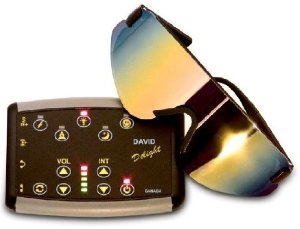
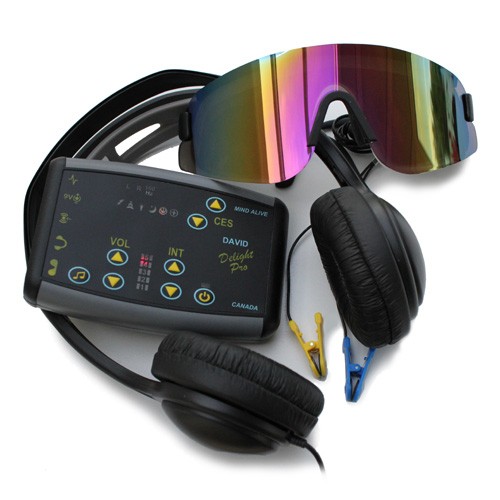
26. Buy a light and sound machine. 


BACK